

Introduction
Power cables are a crucial component in the operation of robotics, providing the necessary energy to drive the motors, sensors, and other components that make up these complex machines. In the rapidly advancing field of robotics, the demand for efficient and reliable power cables has increased significantly. This article will explore the importance of power cables in robotics, the key considerations when selecting a power cable for robotic applications, and the latest developments in power cable technology to meet the growing demands of autonomous systems.
Importance of Power Cables in Robotics
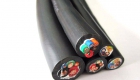
Power cables serve as the lifeline of robotic systems, delivering electrical power from a power source to the various components of the robot. Without a reliable power supply, a robot would be unable to perform its intended functions, resulting in downtime and potential safety hazards. As robots become more sophisticated and autonomous, the power requirements also increase, necessitating the use of high-quality power cables that can handle higher voltages and currents.
In addition to providing power, power cables also play a crucial role in ensuring the safety of the robot and its operators. A faulty or damaged power cable can pose a serious risk of electrical shock, short circuits, and even fires. Therefore, selecting the right power cable for a robotic application is essential to prevent accidents and ensure the smooth operation of the robot.
Key Considerations for Selecting a Power Cable for Robotics
When choosing a power cable for robotics, several key factors must be taken into account to ensure optimal performance and safety. Some of the most important considerations include:
1. Voltage and Current Rating: Robots come in various sizes and configurations, each with different power requirements. It is essential to select a power cable with the appropriate voltage and current rating to match the specific needs of the robot. Using a power cable with insufficient ratings can lead to overheating and damage to the cable, while using a cable with excessive ratings can be costly and inefficient.
2. Flexibility and Durability: Robotics applications often involve continuous movement and operation, requiring power cables that are flexible and durable. Flexible cables can withstand bending and twisting without breaking or degrading, ensuring uninterrupted power supply to the robot. Additionally, durable cables are resistant to abrasion, chemicals, and other environmental factors that could compromise their performance over time.
3. Shielding and Interference Protection: In robotic systems where multiple electrical components are in close proximity, electromagnetic interference (EMI) and radio frequency interference (RFI) can degrade the performance of the power cables and other electronic devices. Shielded power cables are designed to minimize EMI and RFI, ensuring stable power transmission and preventing signal interference.
4. Temperature Rating: Robotics applications often involve extreme temperatures, whether it be in industrial settings or outdoor environments. Power cables with a high temperature rating can withstand these harsh conditions without overheating or melting, ensuring reliable operation of the robot in any environment.
5. Compliance with Standards: When selecting a power cable for robotics, it is essential to choose a cable that complies with industry standards and regulations for electrical safety. Compliance with standards such as UL, CSA, and CE ensures that the cable meets the necessary requirements for quality and safety, giving users peace of mind that their robotic system is operating within the specified guidelines.
Latest Developments in Power Cable Technology for Robotics
As the demand for more advanced and efficient robotic systems continues to grow, there have been significant developments in power cable technology to meet these evolving needs. Some of the latest innovations in power cable technology for robotics include:
1. High-Performance Materials: Manufacturers are developing power cables using advanced materials such as silicone, fluoropolymers, and high-temperature insulation to enhance the performance and reliability of the cables. These materials offer superior resistance to heat, chemicals, and mechanical stress, making them ideal for high-demand robotics applications.
2. Hybrid Power and Data Cables: With the increasing integration of sensors and communication devices in robotic systems, there is a growing demand for power cables that can transmit both power and data signals. Hybrid cables combine power conductors with data transmission lines in a single cable, reducing the need for multiple cables and simplifying the wiring of the robot.
3. Smart Cables: Smart cables are equipped with sensors and monitoring devices that can detect and report on the cable's operating conditions in real-time. These cables can provide valuable data on temperature, current load, and other parameters, allowing operators to identify potential issues before they escalate into more significant problems.
4. Modular Cable Systems: Modular cable systems consist of interchangeable cable components that can be easily connected and disconnected to accommodate changes in the robot's configuration or add new components. This flexibility allows for quick and easy maintenance, upgrades, and repairs without the need for extensive rewiring.
Conclusion
Power cables are a critical component in the operation of robotics, providing the necessary energy to drive the motors, sensors, and other components that make up these complex machines. Selecting the right power cable for a robotic application is essential to ensure optimal performance, efficiency, and safety. By considering factors such as voltage and current rating, flexibility and durability, shielding and interference protection, temperature rating, and compliance with standards, users can choose a power cable that meets the specific requirements of their robotic system.
With UV-resistant rubber cables in power cable technology, such as high-performance materials, hybrid power and data cables, smart cables, and modular cable systems, the capabilities of robotic systems continue to expand, enabling more advanced and efficient autonomous operations. As robotics technology continues to evolve, power cable manufacturers will play a crucial role in developing innovative solutions to meet the growing demands of the industry and drive the future of robotics forward.